
Scalp care
When you have an itchy scalp, the first instinct is often to scratch more, wash more often or start changing your entire routine. Sometimes, however, the best place to start is the opposite: simplify things and take a closer look at a few everyday habits.
Scalp itching can have different causes, so it should not automatically be interpreted as a sign that the scalp needs more cleansing. What we can identify are certain habits that may increase discomfort when the scalp already feels sensitive.
6 mistakes that can make an itchy scalp feel worse
1. Washing your hair with water that is too hot
Intense heat can make itching or tightness feel even more noticeable. Lukewarm water is generally a more comfortable choice when the scalp already feels sensitive.
2. Scratching with your nails
Scratching may feel relieving for a few seconds, but it also adds friction. When washing your hair, use your fingertips and gentle movements rather than your nails.
3. Assuming more washing is always better
If there is significant product buildup, better cleansing may help. But that does not mean every itchy scalp needs to be washed more often. An overly aggressive routine can also leave the scalp feeling uncomfortable.
4. Rinsing too quickly
Shampoo, masks and styling products can leave residue behind. Take a little extra time when rinsing, particularly around denser areas such as the crown and nape.
5. Applying every product directly to the roots
Not every oil, mask or styling product is designed to be used on the scalp. Always follow the recommended application area for each formula.
6. Changing your whole routine at once
If you introduce several new products at the same time, it becomes difficult to understand what is helping and what is not. When your scalp feels sensitive, making one change at a time is usually more useful.
Greensoho routine
Pure.On to purify, Calm.On for a gentler routine
If product buildup is present or the roots feel particularly congested, a more targeted cleansing step can make sense. From there, the routine can move towards gentler washing and care designed to leave the scalp feeling more comfortable.
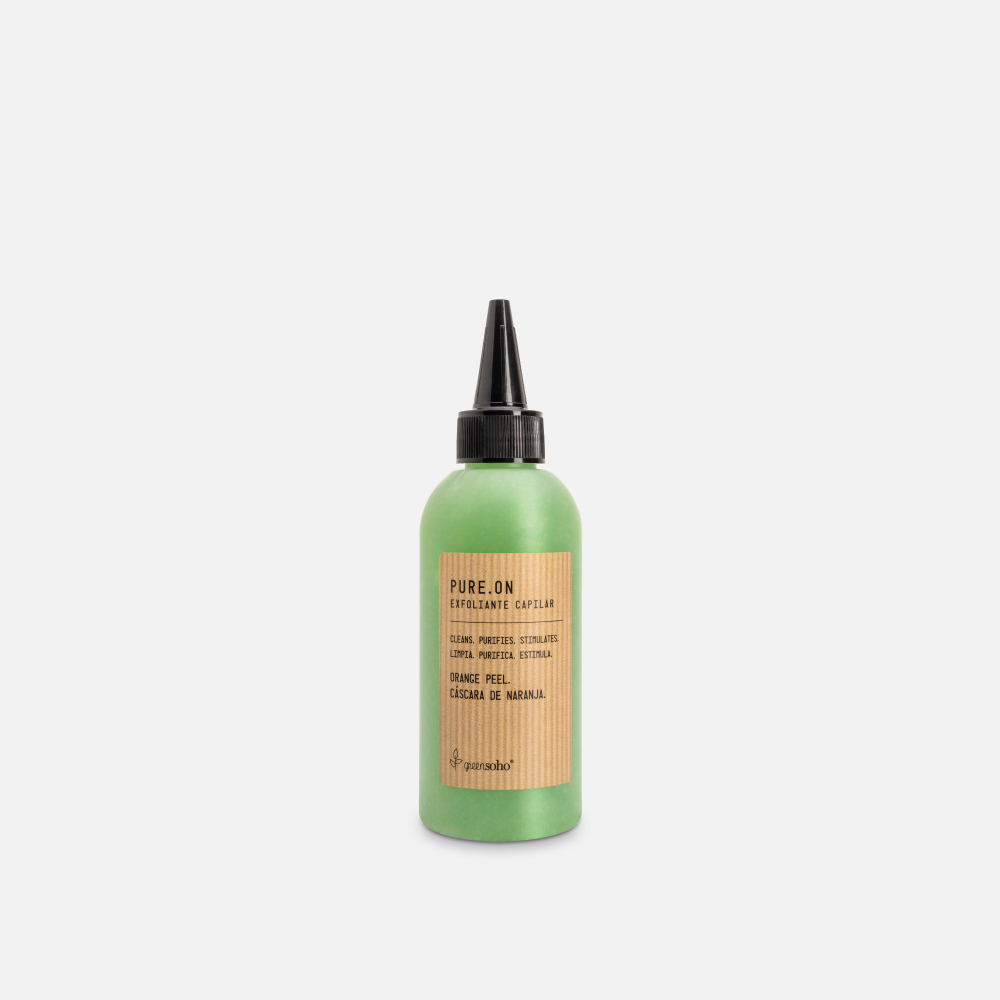
Targeted cleansing
Pure.On
Pure.On gently exfoliates and helps remove product buildup from the scalp. It can be a useful step when the roots feel particularly congested, without needing to become part of every wash.
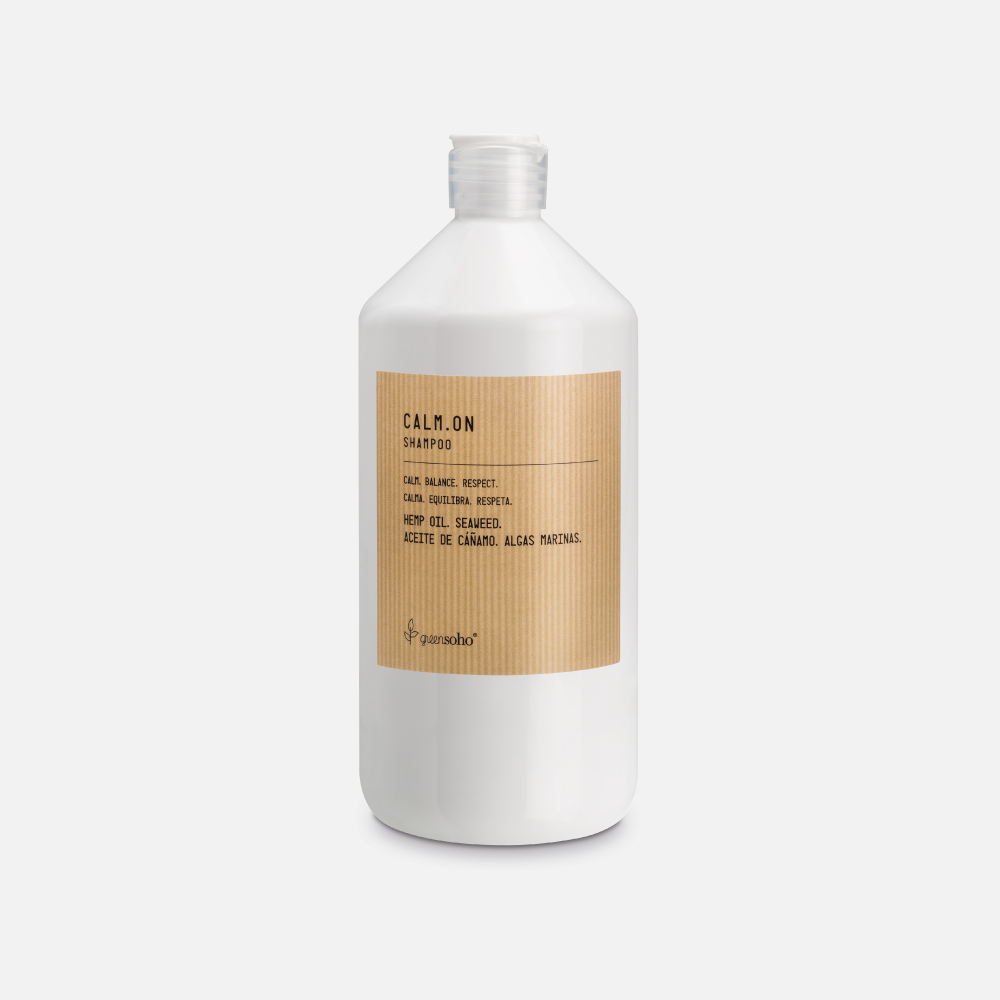
Gentle cleansing
Calm.On Shampoo
With hemp oil and algae listed on its packaging, Calm.On Shampoo can fit naturally into a routine focused on gentler cleansing. Massage with your fingertips rather than your nails, then rinse thoroughly with lukewarm water.
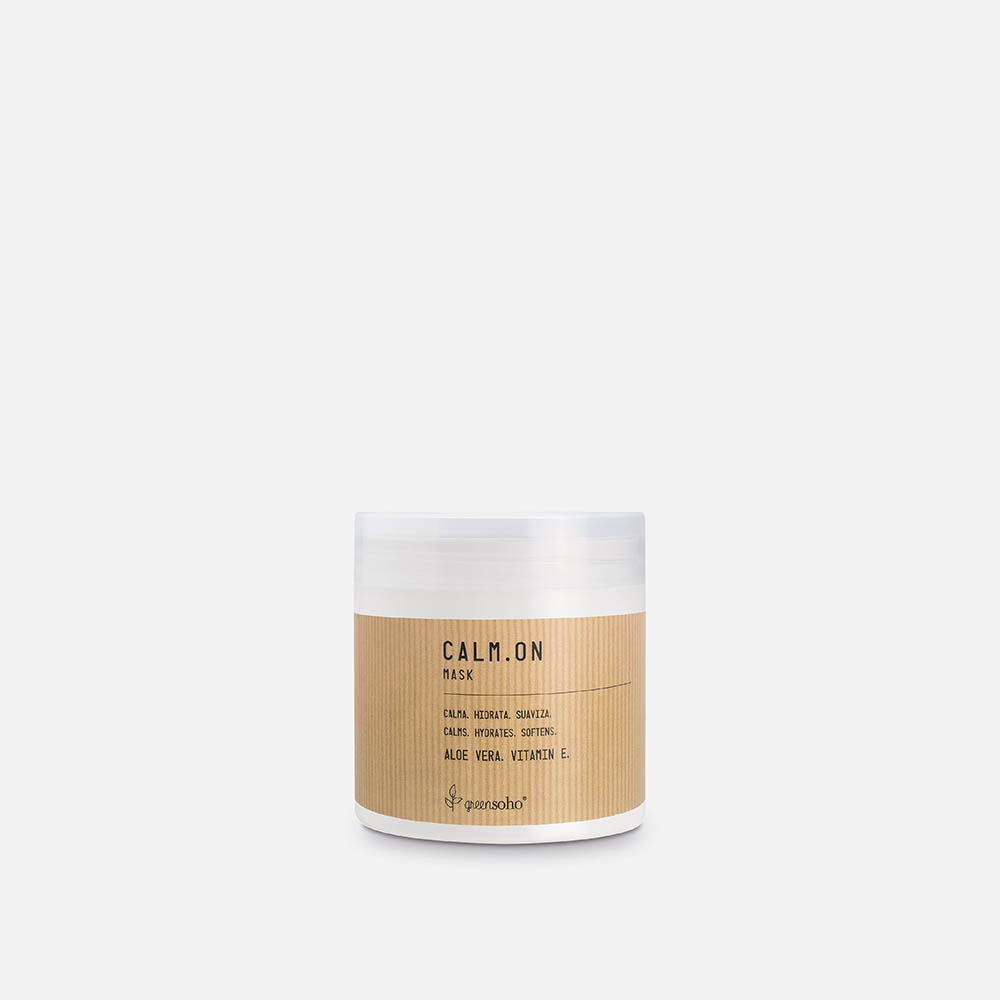
Soothing care
Calm.On Mask
Formulated with aloe vera and vitamin E, Calm.On Mask is designed to help reduce dryness while providing soothing, hydrating care. The Greensoho professional ritual also includes application directly to the scalp.
A simple routine when your scalp feels sensitive
- Check whether there is genuine product buildup before adding an exfoliating step.
- Wash with lukewarm water and massage gently with your fingertips.
- Rinse thoroughly and avoid layering unnecessary products.
- If you want an extra care step, choose a mask that is specifically suitable for application to the scalp.
Important: a cosmetic routine can help improve comfort, but it is not a substitute for medical assessment. If itching is severe, persistent or accompanied by lesions, swelling or a significant reaction, seek advice from a qualified healthcare professional.
Frequently asked questions
Common questions about an itchy scalp
Should I use Pure.On every time my scalp feels itchy?
No. Pure.On is designed for exfoliation and removing product buildup, so it makes more sense when that specific need is present. If the scalp feels very irritated or has visible lesions, avoid adding extra steps simply by trial and error and first consider what may be causing the discomfort.
Can Calm.On Mask be applied directly to the scalp?
Yes. The Greensoho professional ritual includes application to both the hair and scalp. Calm.On Mask contains aloe vera and vitamin E and is designed to provide soothing, hydrating care while helping reduce dryness.
When should I see a dermatologist about an itchy scalp?
Seek professional advice when itching is intense or persistent, or when it appears alongside inflammation, pain, significant crusting, lesions or a noticeable reaction after using a product. Acute dermatitis should be assessed by a dermatologist rather than treated only through cosmetic products.
When your scalp needs calm, more is not always better.
Review your habits, cleanse with purpose and adapt each step to what your scalp actually needs. Discover more about professional hair and scalp care from Greensoho.