Scalp care
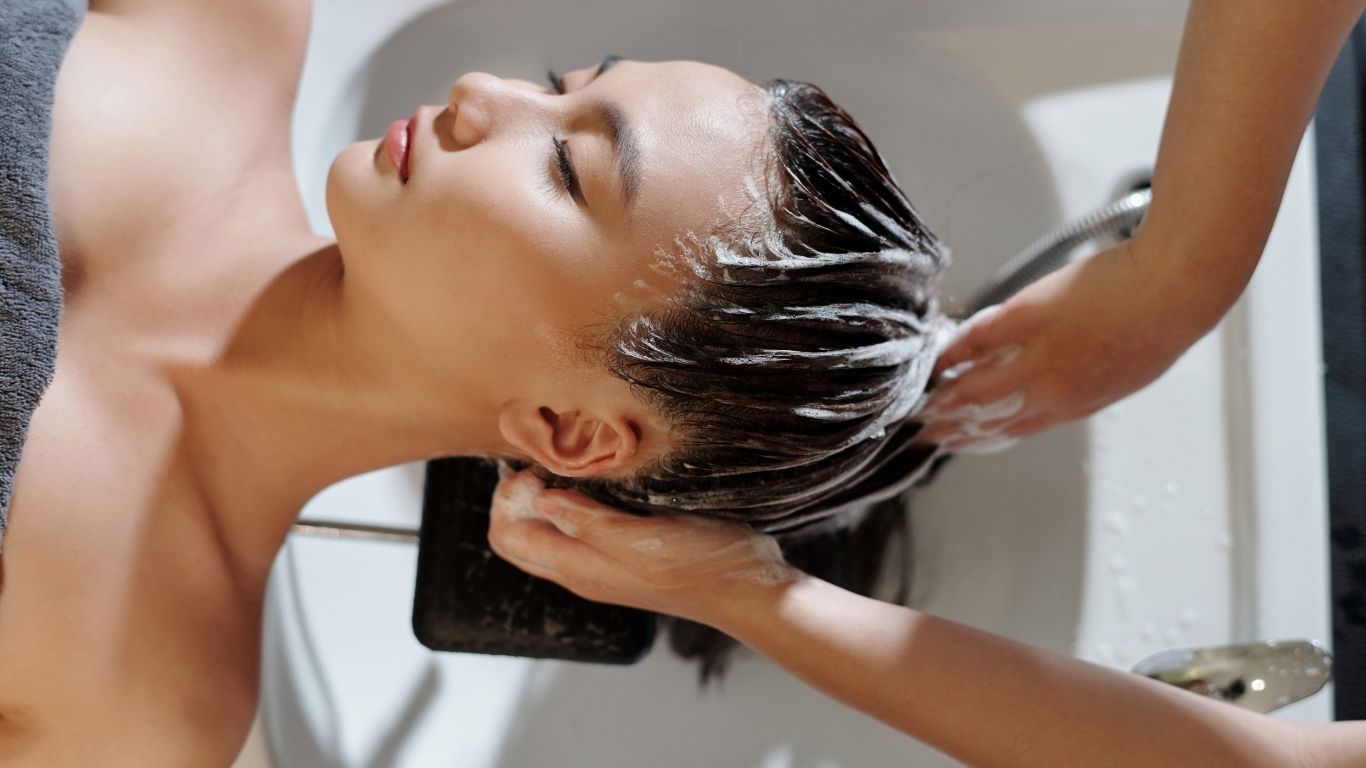
There is no single hair-washing schedule that works for everyone. To understand how often you should wash your hair, look at oiliness, sensitivity, sweat, product buildup and how your scalp feels overall.
Rather than counting days, learn to recognise when your roots need a thorough cleanse and when your scalp would benefit from a gentler routine.
Direct answer
An oily scalp may need washing every day or every other day. A balanced scalp often feels comfortable with two or three washes a week, while a dry or sensitive scalp may prefer less frequent washing or a particularly gentle cleanse. These are useful starting points, not fixed rules.
Why does washing frequency depend on the scalp?
The scalp produces sebum to help protect the skin and hair. The amount can vary according to genetics, age, climate, physical activity, hormonal changes and the products applied near the roots.
Hair texture also matters. On curly or highly textured hair, natural oils usually travel more slowly towards the ends. This means the roots may need cleansing while the lengths still feel dry and require more conditioning.
How often should you wash your hair based on your scalp?
Oily scalp
It may need washing every day or every other day. There is no need to tolerate excessive oiliness if the scalp feels heavy, develops an odour or loses its fresh feeling quickly.
Balanced scalp
Two or three washes a week are often a reasonable starting point. An extra wash may be useful after exercise, during hot weather or after using styling products.
Dry scalp
It may feel comfortable with one or two washes a week. Use lukewarm water and avoid intense rubbing that could increase tightness or discomfort.
Sensitive scalp
It does not always need fewer washes. It often needs a gentler technique, a suitable formula and thorough rinsing so that no residue is left behind.

Signs that it is time to wash your hair
- The roots look shiny or flat and the hair has lost its natural movement.
- You notice odour, sweat or a feeling of buildup on the scalp.
- You have used hairspray, wax, dry shampoo or texturising products for several days.
- There is discomfort that normally improves after washing.
Adjusting the cleanse
Two different answers for two different scalp needs
Not every wash needs to feel the same. Sometimes the roots need a deeper cleanse to remove buildup; at other times, the scalp needs a calming wash with as little friction as possible.
Deeper cleansing
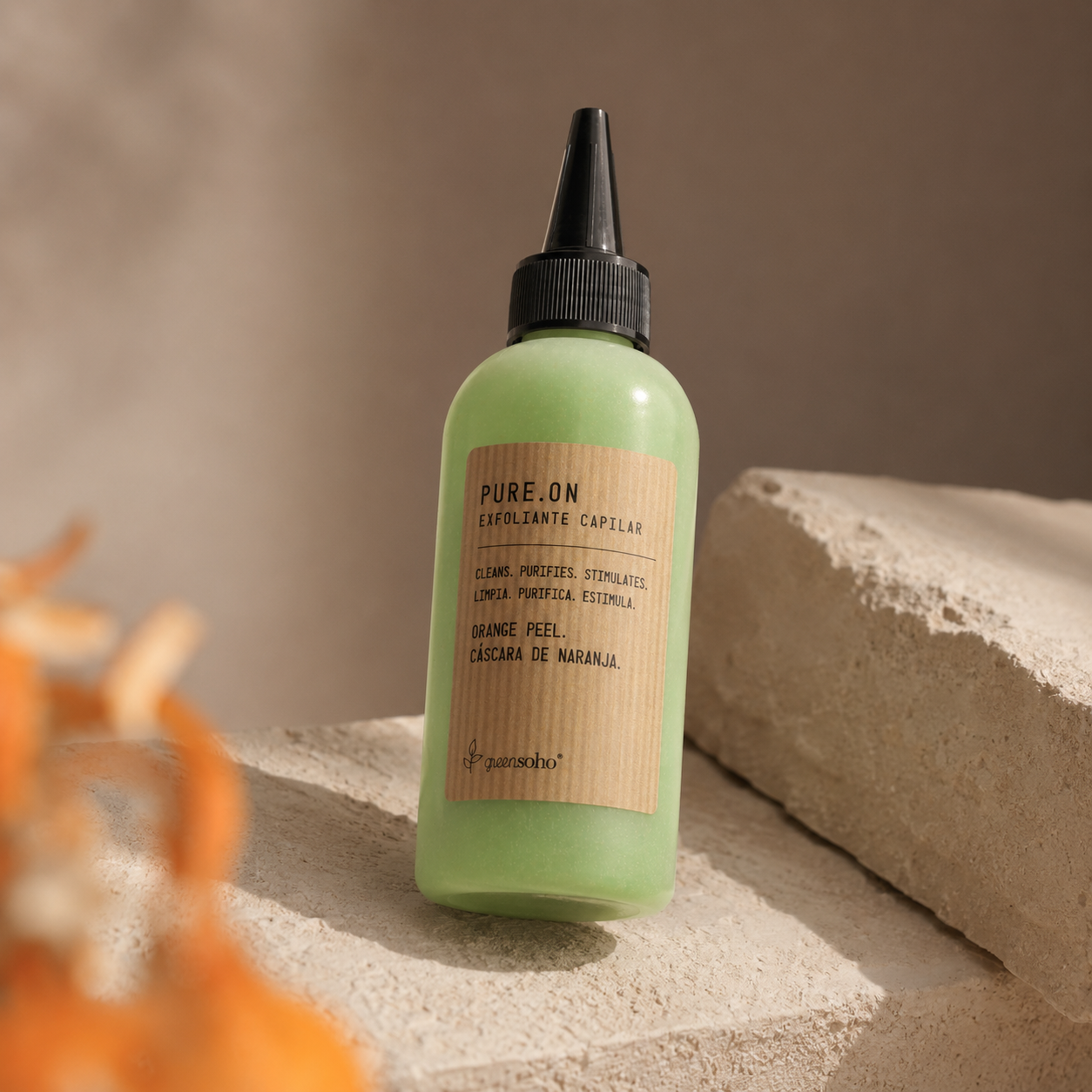
Pure.On
When oil, surface buildup, dry shampoo or styling products accumulate, an exfoliating cleanse before your regular shampoo may be useful.
Pure.On helps provide a more intensive scalp cleanse. It does not need to be used every time you wash your hair; it is better reserved for moments when the roots feel particularly heavy or coated.
Sensitive scalp
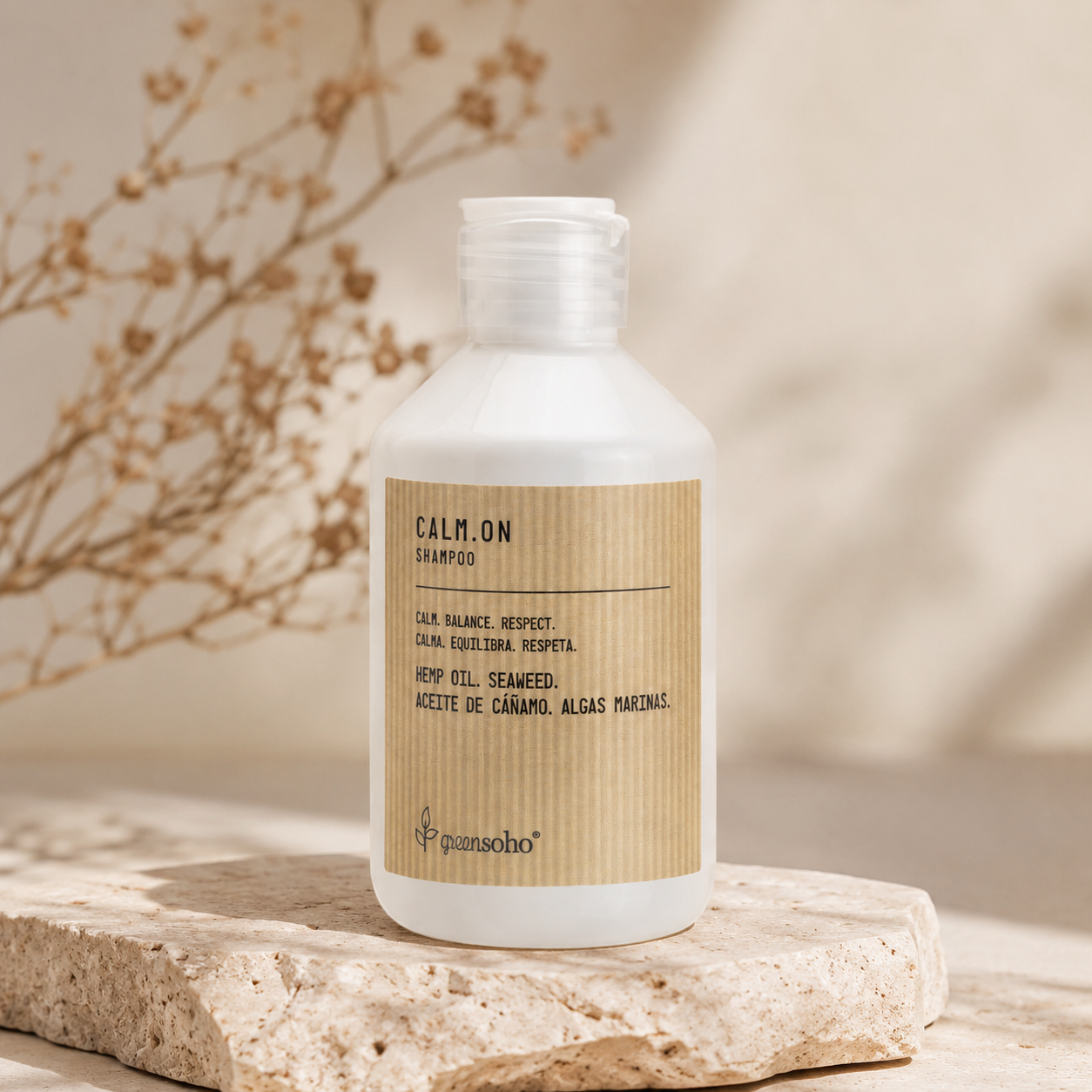
Calm.On Shampoo
When the scalp feels sensitive, delaying a wash for too long does not always help. Sweat, oil and product residue can also increase discomfort.
Calm.On Shampoo can fit into a routine that calls for a calmer cleanse. Apply it to the wet scalp, massage gently with your fingertips and rinse thoroughly without scratching or using very hot water.
How to wash your hair more gently
-
1
Wet the hair thoroughly
Use lukewarm water and make sure the entire scalp is wet before applying shampoo.
-
2
Focus the shampoo on the roots
Distribute it across several areas instead of placing the full amount on the top of the head.
-
3
Massage without scratching
Use your fingertips and avoid using your nails or applying excessive pressure.
-
4
Rinse carefully
Product residue can leave the scalp feeling heavy, itchy or insufficiently cleansed.
-
5
Treat the lengths separately
Apply conditioner through the mid-lengths and ends unless the product is specifically formulated for use on the scalp as well.
When to seek professional advice
Flaking does not necessarily mean the hair is not being washed often enough. The NHS recommends seeking advice when dandruff is severe, persistent or accompanied by significant itching, redness or inflammation.
If there are plaques, sores, pain, marked inflammation or sudden hair loss, washing frequency should not be treated as the only explanation. In these situations, speak to a healthcare professional rather than relying on a cosmetic product as a medical treatment.
Frequently asked questions
Is it bad to wash your hair every day?
Not necessarily. An oily scalp, regular exercise or certain working environments may make daily washing appropriate. The important points are to use a suitable product, avoid very hot water and wash without aggressive rubbing. If tightness or stinging appears, review the formula, the amount used and your washing technique.
When should you use a deeper scalp cleanse?
It may be useful when oil, dry shampoo, styling products or other residue have built up and are difficult to remove with a regular wash. Pure.On is designed as an exfoliating step before shampoo. It does not need to be used every time; frequency should depend on how the scalp feels.
Should you avoid washing your hair if your scalp is sensitive?
Not always. Allowing sweat, sebum and residue to accumulate can also cause discomfort. A gentle wash with lukewarm water, light pressure and a suitable product is often more helpful. Calm.On Shampoo may fit into a routine designed to provide a calmer cleansing experience.
Does dry shampoo replace regular washing?
No. It can absorb some oil and temporarily improve the appearance of the roots, but it does not remove sweat, dirt and accumulated residue in the same way as washing with shampoo and water. It is best treated as an occasional support between washes.